Exosomics & extracellular vesicles
Extracellular communication, milk-derived vesicles and inflammatory signalling.
We combine genetics, artificial intelligence, structural biology and multiomics to investigate the molecular complexity of health, disease and longevity.
The darkDNA group is part of the Genetics Laboratory, Department of Biotechnology, School of Applied Biology and Biotechnology at the Agricultural University of Athens. We integrate modern genetics, structural and systems biology, bioinformatics and experimental approaches to understand complex molecular systems, disease and biological diversity.
Interdisciplinary research at the intersection of molecular biology, computation and human health.
Extracellular communication, milk-derived vesicles and inflammatory signalling.
Senescence signatures, comparative genomics and molecular mechanisms of aging.
Integrated biological datasets, interpretable models and computational discovery.
Protein modelling, molecular dynamics and structure-guided therapeutic research.
Genetic variation, disease mechanisms and translational molecular insights.
Sequencing, pathogen diversity and computational analysis of viral genomes.
Science often searches for what is present. We also ask what is missing — and why.
At darkDNA we explore genomic and proteomic dissimilarity, minimal absent words (MAWs) and cryptides. MAWs are short nucleotide sequences absent from a genome despite being theoretically possible; cryptides are bioactive peptides released from larger proteins. These questions inspire computational approaches to the less explored dimensions of biological sequence space.
This research direction is inspired by the pioneering work and intellectual legacy of my late mentor, Professor Costas Iliopoulos of King's College London, whose scientific curiosity and profound insights continue to shape our exploration of the hidden dimensions of biological sequences.
Our research connects fundamental biological questions with emerging technologies and translational applications.
Exploring gene networks and conserved molecular patterns associated with cellular aging.
Investigating molecular cargo and communication across biological systems.
Ongoing (2026-27) funded programmes and research directions of the darkDNA group.
Characterizing extracellular vesicles and their RNA, protein and molecular cargo through comparative genomics and multiomics, with a focus on intercellular communication and infant nutrition.
Research video ↗Investigating biochemical treatment of Ebola virus glycoprotein to improve accessibility of epitopes for antibody-based rapid diagnostic testing.
Research video ↗Computational analysis of viral diversity, conserved sequence motifs and candidate targets for gene-editing strategies.
Research video ↗Exploring absent genomic words and cryptic bioactive peptides as unconventional approaches to sequence analysis and biological discovery.
We connect sequencing, molecular modelling and high-performance computation to extract insight from complex biological data.
Genomic sequencingMolecular dynamicsMultiomicsMachine learningResearch computing
Professor of Genetics · Group Leader, darkDNA
Research spanning genetics, structural bioinformatics, molecular modelling, precision medicine and computational approaches to complex biological systems.
—PubMed-indexed publications ↗...not all those who wander are lost...
J.R.R.Tolkien
The researchers behind our work in genetics, computational biology, molecular medicine and multiomics.
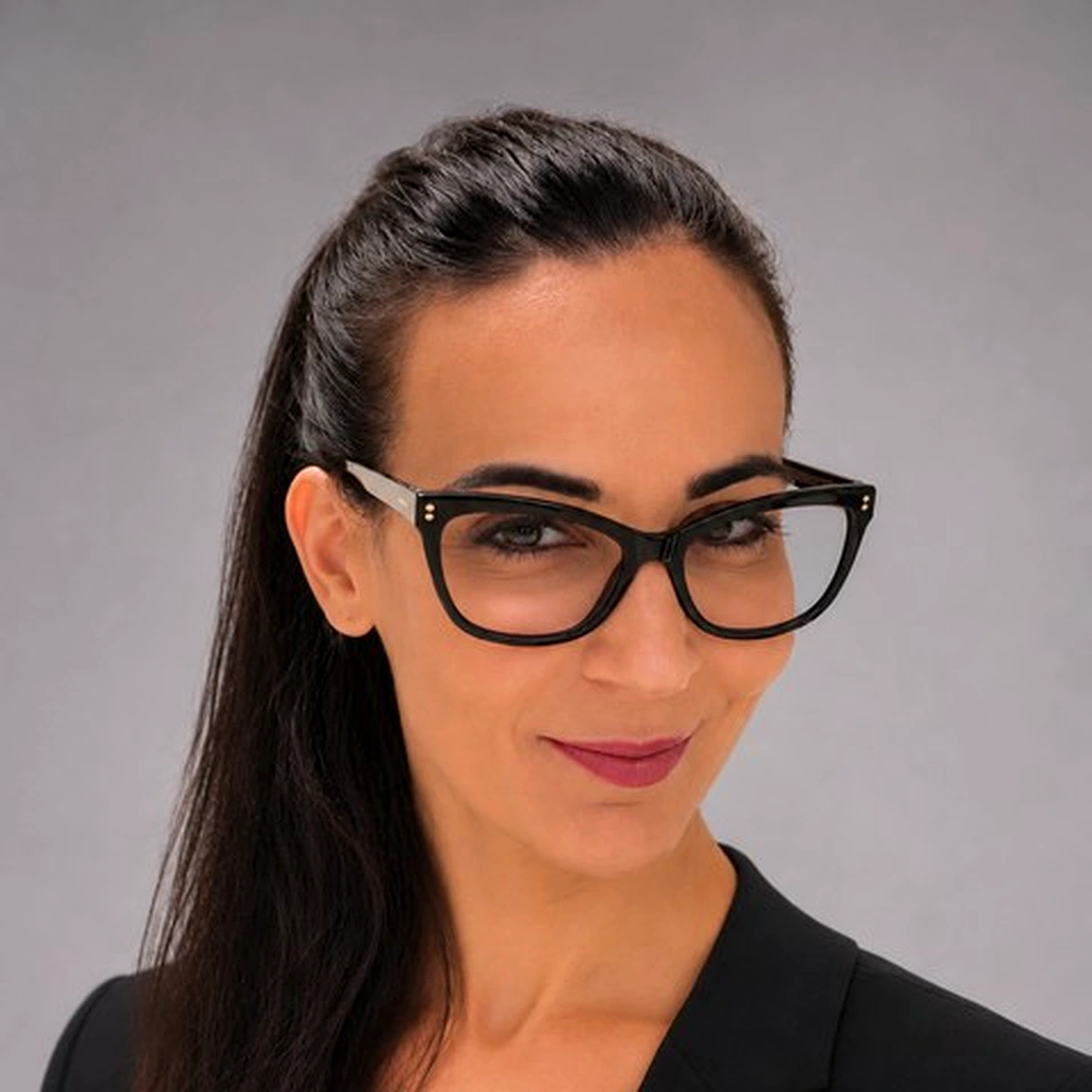
Multiomics · Artificial Intelligence · Big Data
Eleni coordinates laboratory activities and contributes senior research expertise in multiomics, artificial intelligence and large-scale biological data analysis. Her work supports the integration of complex molecular datasets and computational investigation of biological systems.
Investigating the regulatory roles of long non-coding RNAs in genome function and gene expression.
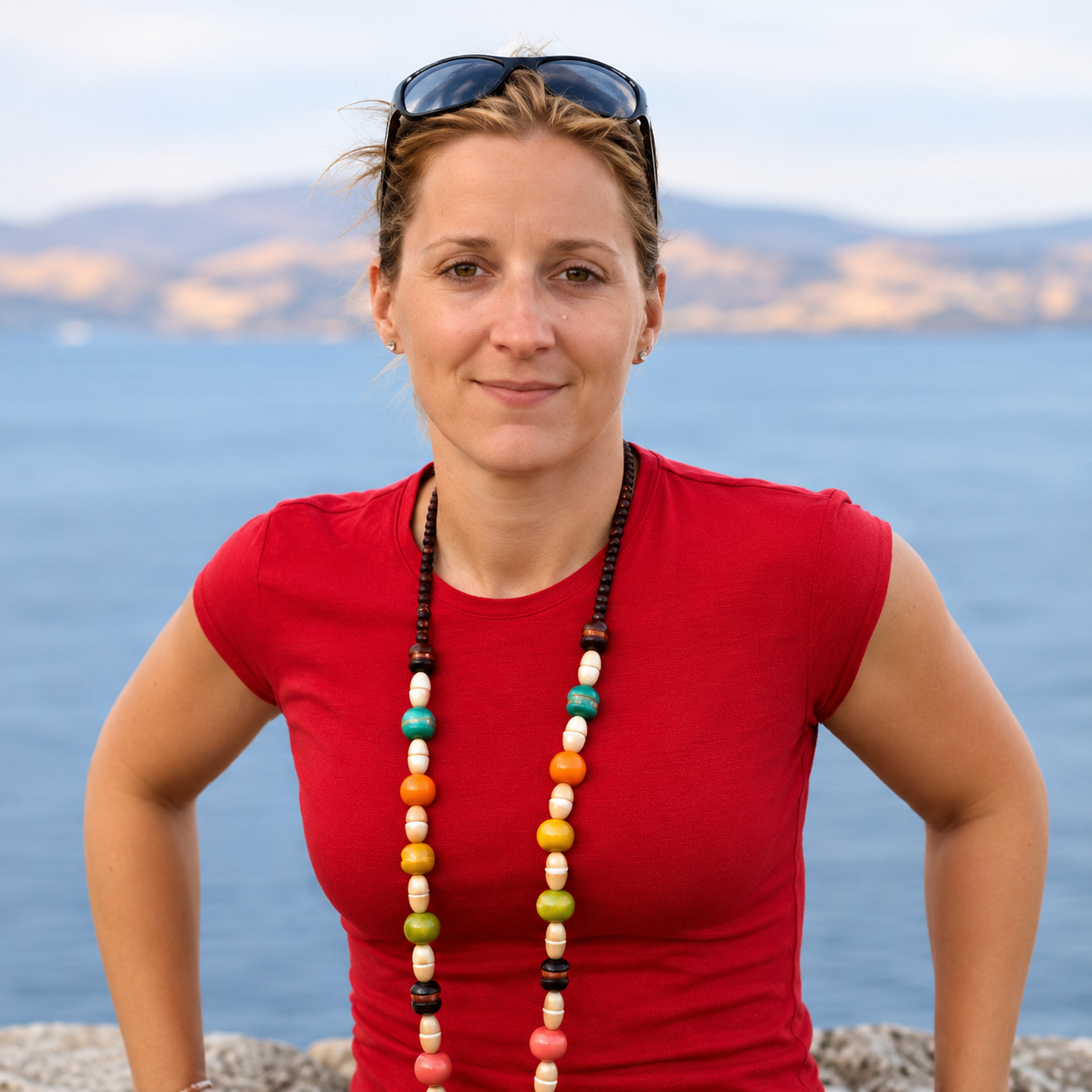
Studying mechanisms of epigenetic inheritance associated with early-life adversity and their potential molecular consequences.
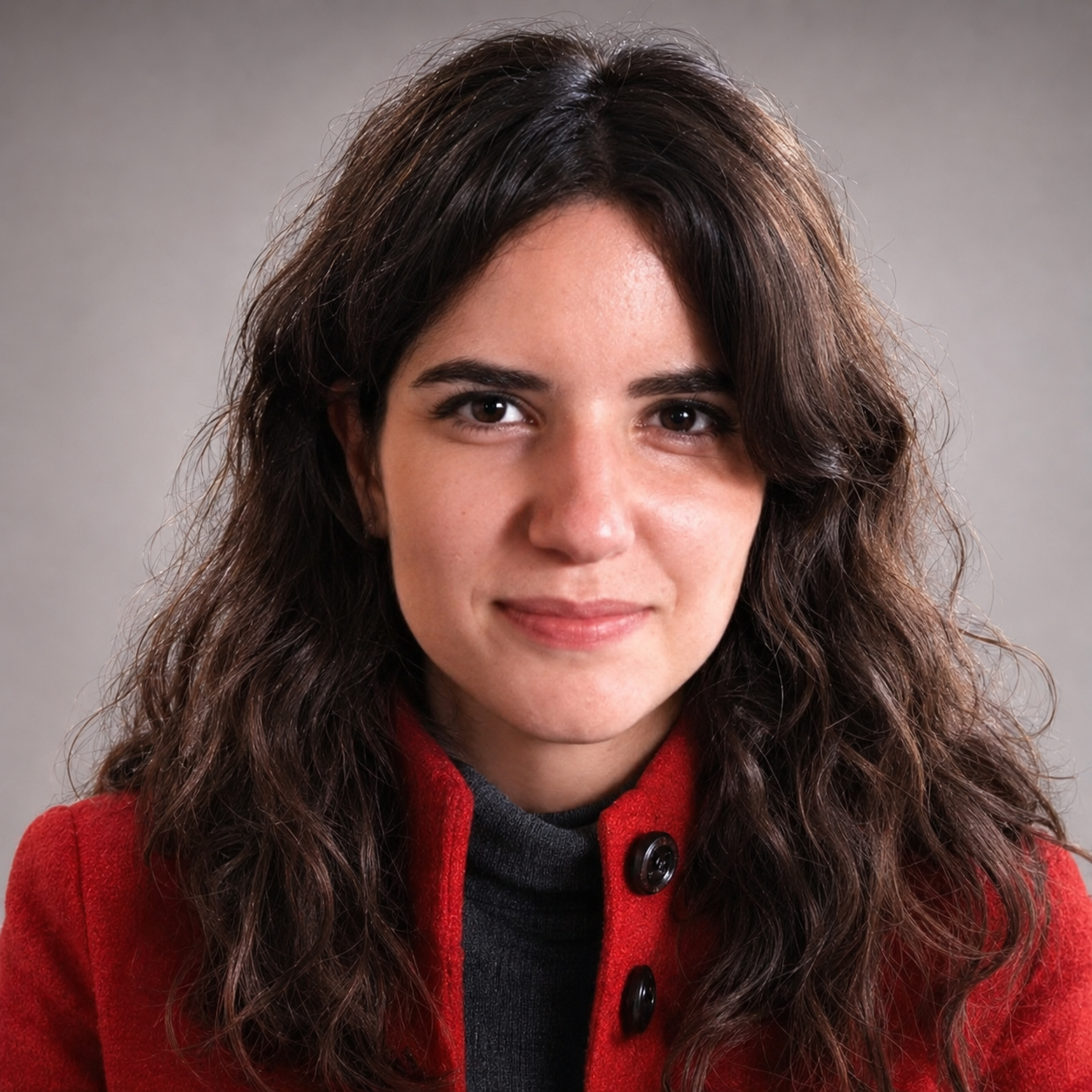
Applying structure-based computational drug design and pharmacophore modelling to identify candidate inhibitors targeting Ebola virus.
Exploring interconnected genetic networks involved in longevity and the molecular mechanisms of human tissue degeneration.
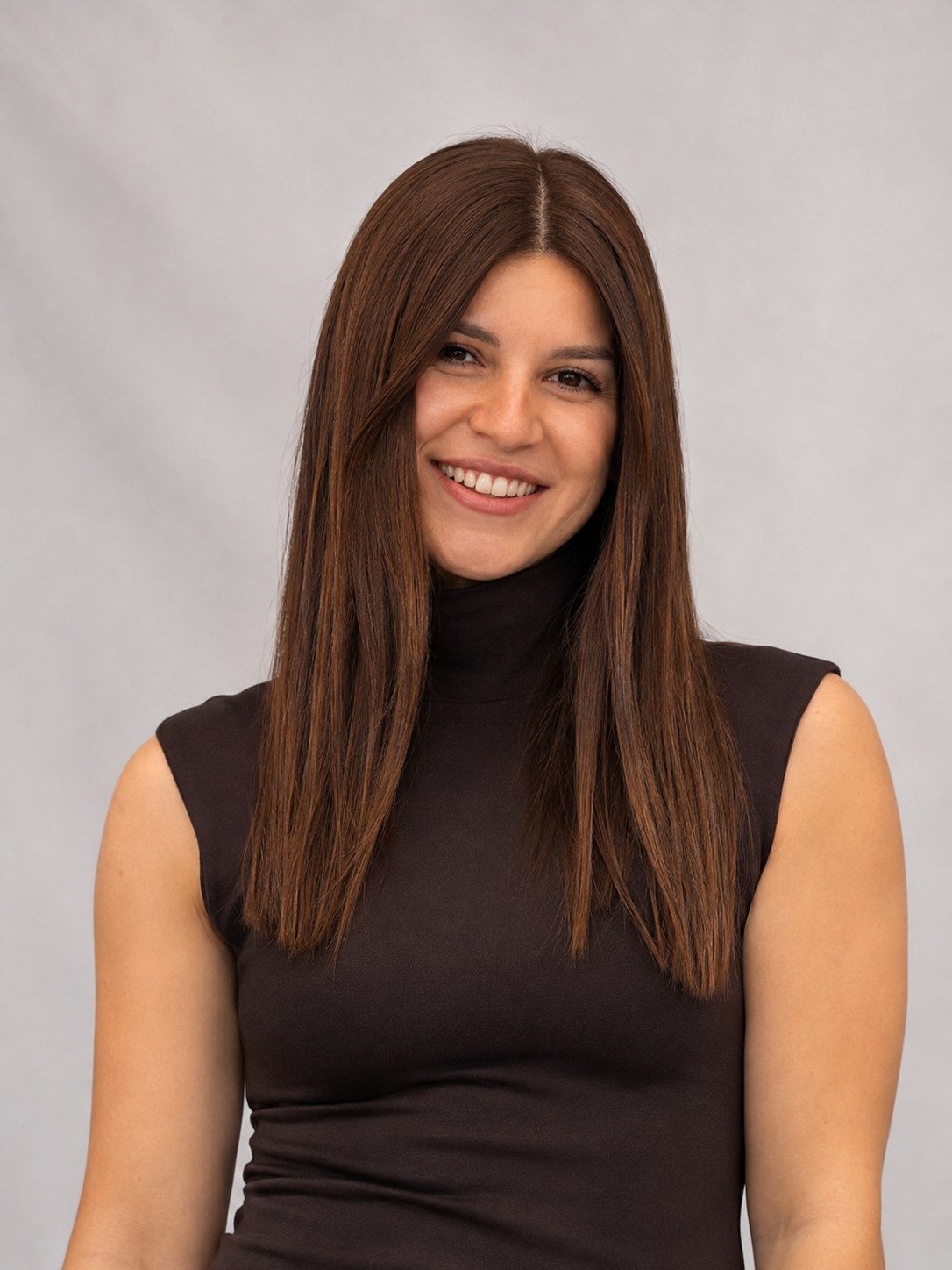
Developing exosome-based diagnostic approaches to inflammatory diseases through biotechnology and artificial intelligence.
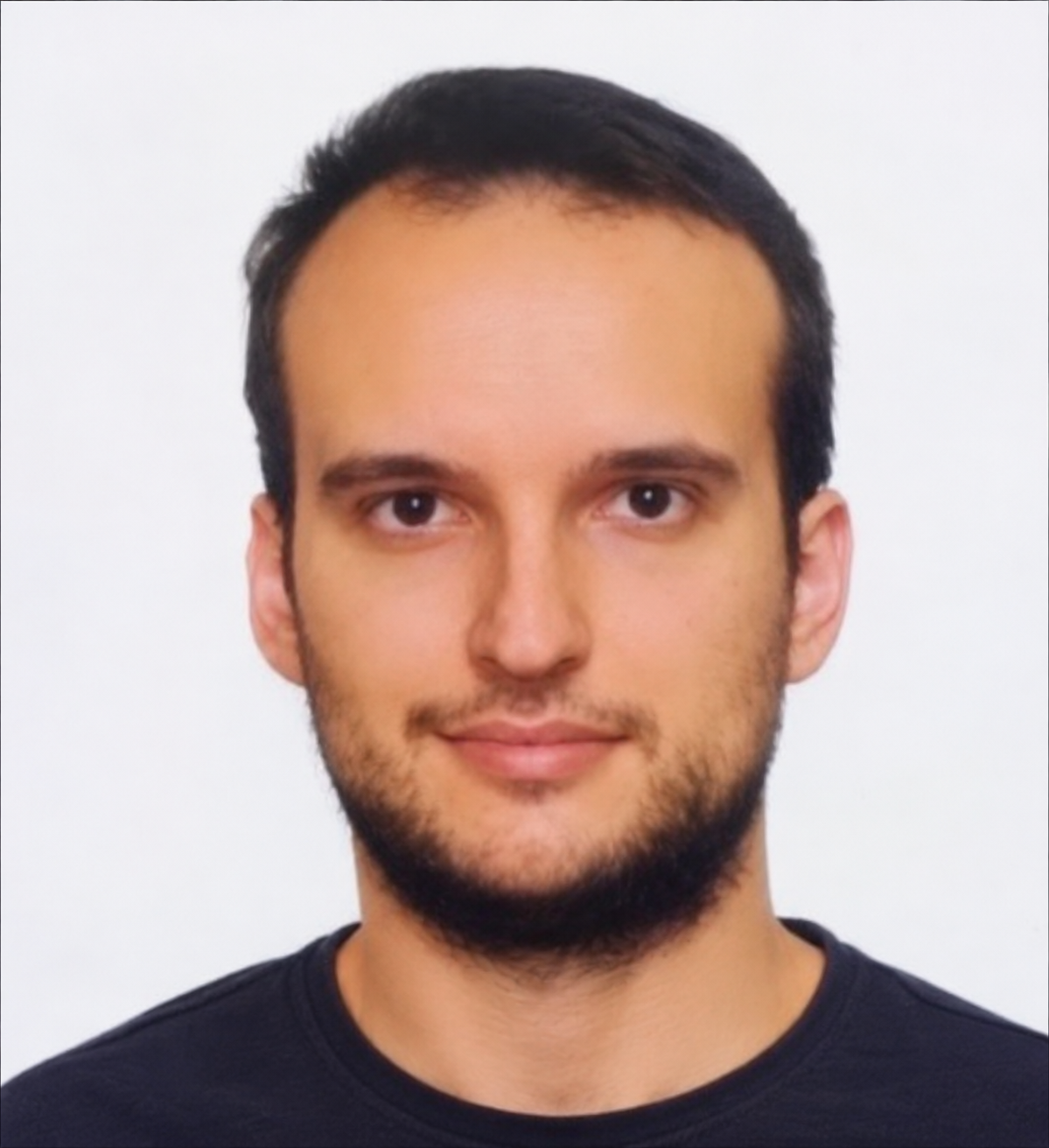
His doctoral research used genome-wide association approaches to investigate nuclear receptor interaction networks at the transcriptional level and their contribution to the maintenance of homeostasis.
Scientific partnerships connecting molecular genetics, inflammation, cellular senescence and translational medicine.
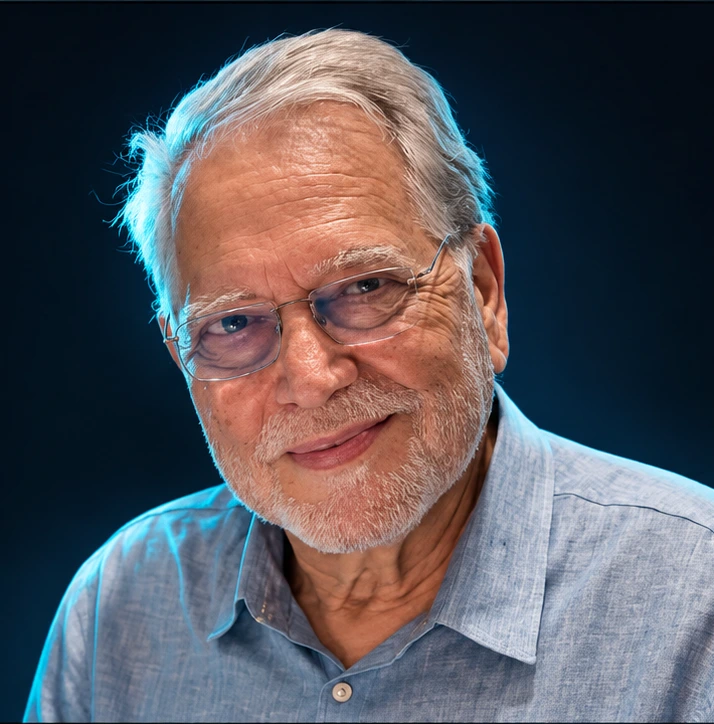
Our collaboration bridges stress-system biology, inflammation, genetics and healthy aging. Joint publications address CRH-targeted therapeutic strategies, molecular modulators of aging, and genotype–phenotype correlations in rare osteodysplastic syndromes.
Collaborating Researcher (A level) · University Research Institute ↗
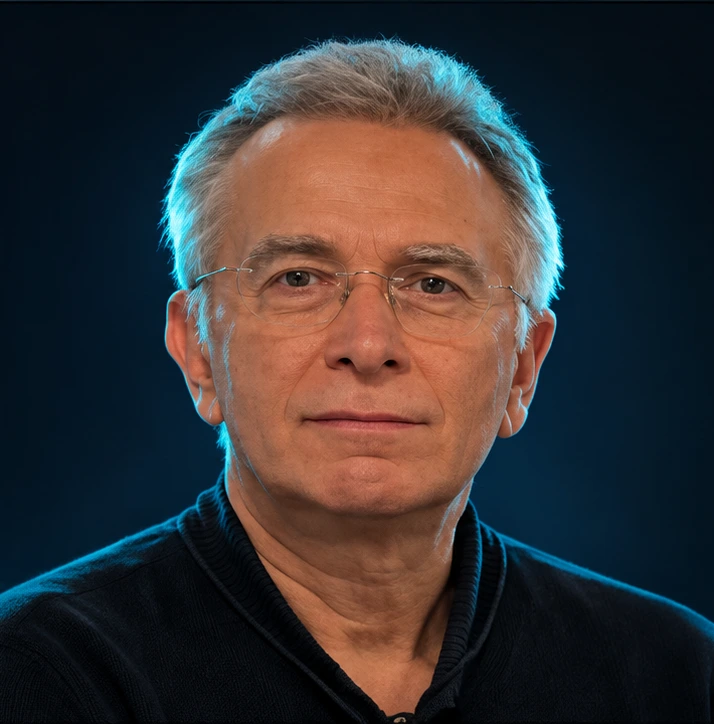
Our joint work investigates cellular senescence at the intersection of cancer biology and immunotherapy. In Molecular Cancer, we coauthored a study linking senescence in immune-cell populations to responsiveness to checkpoint inhibition in melanoma.
Affiliate Professor · Laboratory of Histology and Embryology, Athens School of Medicine ↗
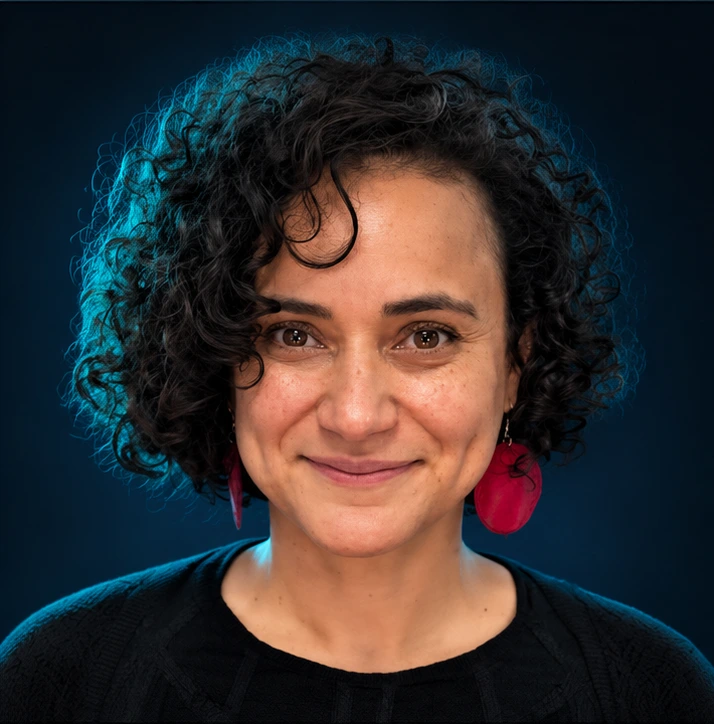
Our long-standing collaboration examines how nucleic-acid sensing and metabolic regulation shape inflammatory signaling. Shared studies in Science Advances, Cell Metabolism and the Journal of Experimental Medicine investigate LysRS–Ap4A, STING–lipid metabolism crosstalk, and DNA-PK regulation of interferon responses.
Selection of scientific talks and featured research videos.
Explore the group's work on extracellular vesicles and molecular biology.
Watch video ↗A hypothesis-driven molecular and cellular journey into early biochemical complexity.
Watch video ↗Scientific video featuring darkDNA research and perspectives.
Watch on YouTube ↗Radio appearance on “Diethnis Matia” with Polydefkis Papadopoulos, 11 October 2026.
Listen on ERT Echo ↗An additional video from our scientific media collection.
Watch on YouTube ↗Watch the selected segment of this recorded presentation.
Watch from 50:18 ↗For research collaborations, academic inquiries or student opportunities, contact us!
Start a conversation ↗Institutional profiles and direct email contacts.
stay tuned!